


Every Pokémon Holo Pattern Explained (Complete Collector Guide)
A complete collector guide to Pokémon holofoil, reverse holo, promo holo, and modern texture patterns — with verified example images and identification notes.
Why Holo Patterns Matter
Pokémon holo patterns are more than shiny backgrounds. They help collectors identify eras, promo releases, test prints, reverse holo variants, and sometimes even errors. A card’s foil style can change how people search for it, how it is listed online, and how desirable it is to collectors.
For sellers, knowing the difference between Cosmos holo, Galaxy Star holo, Cracked Ice holo, Legendary Collection reverse holo, and modern texture can prevent underpricing cards or mislabeling them.
Quick Pokémon Holo Pattern Checklist
- Starlight / Galaxy Star Holo — early English WOTC style with star-like sparkles.
- Cosmos / Galaxy Holo — dots, circles, orbs, and occasional swirls.
- Tinsel Holo — Black & White era default pattern.
- Sheen Holo — XY era diagonal reflective effect.
- Water Web Holo — Sun & Moon era style often described as wavy or web-like.
- Cracked Ice Holo — shattered glass look, often theme decks/promos.
- Crosshatch Holo — grid/checker reflective promo-style pattern.
- Sequin / Confetti Holo — promotional sparkle patterns.
- Legendary Collection Reverse Holo — fireworks pattern over the card body.
- e-Reader Reverse Holo — flat foil body, artwork generally not reverse-holoed.
- EX Hidden Legends Reverse — energy-symbol artwork pattern.
- EX FireRed & LeafGreen Reverse — energy-symbol artwork plus faint Poké Ball stamp.
- EX Team Rocket Returns Reverse — similar to FRLG plus set-logo stamp.
- EX Deoxys Reverse — pinwheel/prismatic pattern.
- EX Emerald Reverse — Poké Ball and stars pattern.
- EX Unseen Forces Reverse — 3D Poké Ball style.
- Black & White / XY Reverse — type-symbol reverse patterns.
- Sun & Moon Reverse — large type symbol on left side.
- Sword & Shield Reverse — tile pattern with type/Poké Ball icons.
- Scarlet & Violet Reverse — more intricate tile pattern with type symbols.
Starlight / Galaxy Star Holo
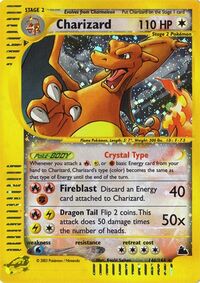
The early English Wizards of the Coast holo style is often described by collectors as Galaxy Star or Starlight. It is the classic vintage holo look found across early English Pokémon sets before Cosmos became the default international holo pattern.
Common search terms: WOTC galaxy star holo, vintage Pokémon star holo, Base Set holo pattern, Jungle holo pattern, Fossil holo pattern.
Cosmos / Galaxy Holo
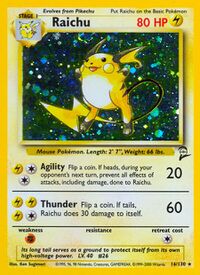
Cosmos Holofoil, often called Galaxy Holofoil, was introduced internationally as the default holo pattern with Base Set 2. It uses dots and circles of different sizes across the Pokémon image, often with the famous swirl collectors love.
Key collector note: Cosmos is also heavily used on promo cards after it stopped being the default set holo style.
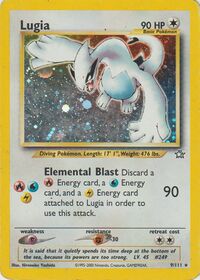
This pattern is one of the most important in Pokémon history because it appears across major vintage and mid-era cards including Base Set 2, Neo-era holos, e-Reader-era holos, EX-era holos, and many modern promotional cards.
Tinsel Holo
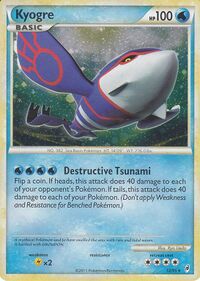
Tinsel Holofoil replaced Cosmos as the default holo pattern at the start of the Black & White Series. Collectors usually identify it by a finer, more modern reflective structure compared with vintage Cosmos or WOTC Galaxy Star foil.
Search terms: Black and White tinsel holo, Pokémon TCG tinsel holo pattern.
Sheen Holo
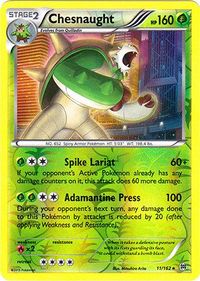
Sheen Holofoil is associated with XY-era holo cards and has a diagonal reflective effect. Bulbapedia notes that language versions can differ in direction and coverage.
Water Web Holo
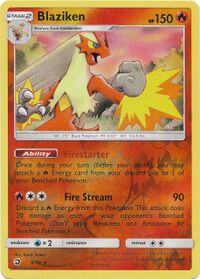
Water Web is the name collectors often use for the Sun & Moon-era default holo look. It is usually described as wavy, watery, or web-like compared with the older Cosmos pattern.
Cracked Ice Holo
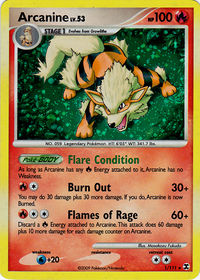
Cracked Ice Holo looks like shattered glass or fractured ice. It is commonly associated with theme-deck exclusives, blister promos, and special product cards.
Important: Because Cracked Ice examples are often product-specific, use your own image or a confirmed product scan when publishing.
Reverse Holo Patterns
Reverse Holofoil cards have changed drastically over the life of the Pokémon TCG. In general, a reverse holo applies foil treatment to areas other than the standard holo window, but the exact design depends on the set era.
Legendary Collection Reverse Holo — Fireworks Pattern
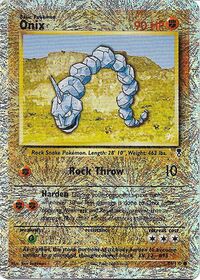
Legendary Collection introduced one of the most recognizable reverse holo patterns ever: the fireworks reverse holo. The effect covers most of the card body outside the artwork and is instantly recognizable.
Search terms: Legendary Collection reverse holo, fireworks reverse holo Pokémon, LC reverse holo.
Expedition / Aquapolis / Skyridge Reverse Holos
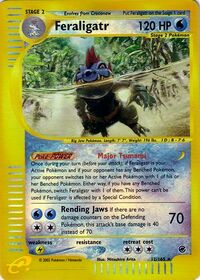
Expedition Base Set through EX Team Magma vs Team Aqua use a flat holographic reverse finish over most of the card body while generally excluding the artwork. Aquapolis and Skyridge changed numbering practices for holo rares and reverse holos, which matters for collectors trying to identify variants.
EX Era Reverse Holo Patterns
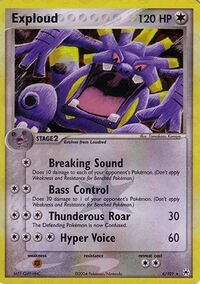
EX Hidden Legends
Hidden Legends placed energy-symbol style holo treatment inside the artwork. Rare cards may also have a faint foil type stamp in the attack box.
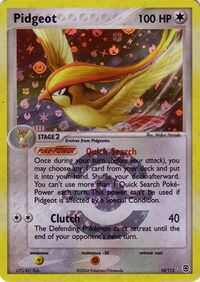
EX FireRed & LeafGreen
Similar to Hidden Legends, but with energy-symbol artwork treatment and a faint Poké Ball shape in the attack box on Rare cards.
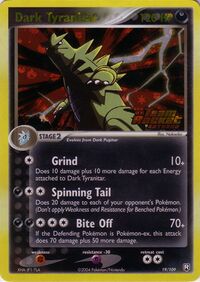
EX Team Rocket Returns
This reverse style is similar to EX FireRed & LeafGreen but adds the set logo in the bottom-right corner of the artwork.
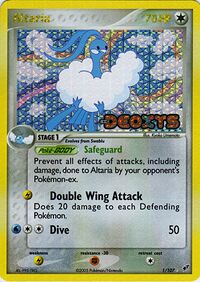
EX Deoxys Pinwheel / Prismatic
EX Deoxys features a distinct pinwheel/prismatic reverse holo pattern with the set logo in the artwork.
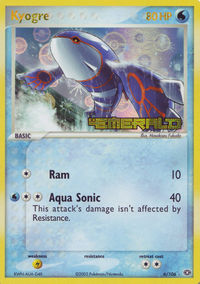
EX Emerald
EX Emerald uses a Poké Ball and stars reverse pattern with the set logo in the picture window.
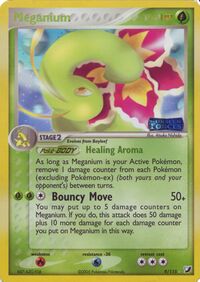
EX Unseen Forces
EX Unseen Forces uses a similar idea to EX Emerald but with a 3D Poké Ball style.
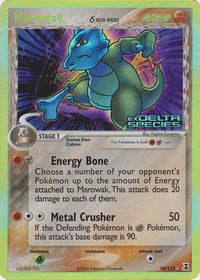
EX Delta Species to EX Power Keepers
These sets often use a plainer reverse treatment in the artwork background and set-logo stamps. EX Dragon Frontiers is especially notable because the reverse holo effect appears on the Pokémon themselves, similar to Shining-style treatment.
Modern Reverse Holo Patterns
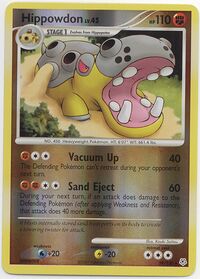
Diamond & Pearl to Black & White
These eras generally return to a plain holographic effect in the card background.
Emerging Powers to Steam Siege
These reverse holos commonly use the card’s type symbol in the background. Trainer cards use Poké Balls, and Special Energy cards use a Colorless-style variant.
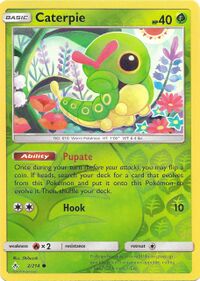
Sun & Moon to Cosmic Eclipse
Sun & Moon reverse holos use an updated type-symbol design, usually with a large type symbol on the left side of the card.
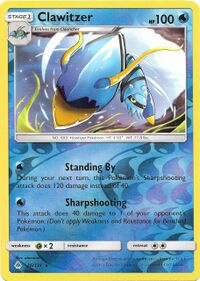
Sword & Shield to Crown Zenith
Sword & Shield reverse holos use a tile-like design with type symbols or Poké Balls inside the tile pattern.
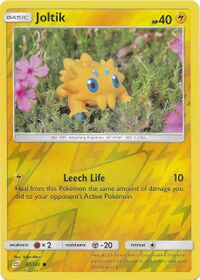
Scarlet & Violet Era
Scarlet & Violet reverse holos use a more intricate tile pattern that incorporates type symbols of different sizes. The set symbol also flips to black-on-white rather than white-on-black.
Full Art, Secret Rare, and Texture Patterns
Modern full-art Pokémon cards often have physical texture patterns rather than just flat foil. These include etched lines, fingerprints, energy effects, background-specific patterns, and character-art texture designs.
Holo Swirls
A holo swirl is not usually a separate variant. It is part of the Cosmos foil sheet pattern that appears in different locations depending on where the card was cut from the sheet.
How to Use Holo Pattern Knowledge When Selling Cards
- Use exact terms like Cosmos Holo, Cracked Ice Holo, Reverse Holo, or Legendary Collection Reverse Holo.
- Photograph the card at an angle so the pattern is visible.
- Do not call every shiny card “holo.” Reverse holos, promos, full arts, and textured cards are different categories.
- Check whether a card has a normal non-holo, holo, reverse holo, or promo holo version before pricing.
- For high-end cards, compare against PSA/CGC labels and trusted database entries.
Sources & Reference Notes
- Bulbapedia, “Holofoil” — details on holofoil and reverse holo patterns across Pokémon TCG eras.
- Bulbapedia, “Cosmos Holofoil (TCG)” — notes Cosmos Holofoil was introduced internationally with Base Set 2 and used as default until Black & White.
- CGC Cards, “CGC Cards Certifies Several Cosmos Holo Test Print Pokémon Cards” — documents Cosmos test prints and explains WOTC’s Galaxy Star vs Cosmos foil context.
- TCGplayer, “What’s a Holo Swirl in the Pokémon TCG?” — collector explanation of holo swirls and Cosmos-style foil placement.
- Bulbagarden Archives — reference card images used in this draft.